John D Rockefeller has a case for being among the greatest businessmen ever (many strong cases have also been made regarding anti-competitive monopolistic practices that led to new regulations on how American business is conducted). Shane Parrish covers how he did it in a 3 hour heavily researched podcast - a few highlights below.
An error occurred while loading the profile

PodMonthly
@PodMonthly
About Me
Highlights from podcasts - at least one a month.
Magazines
6 posts
Posts by PodMonthly
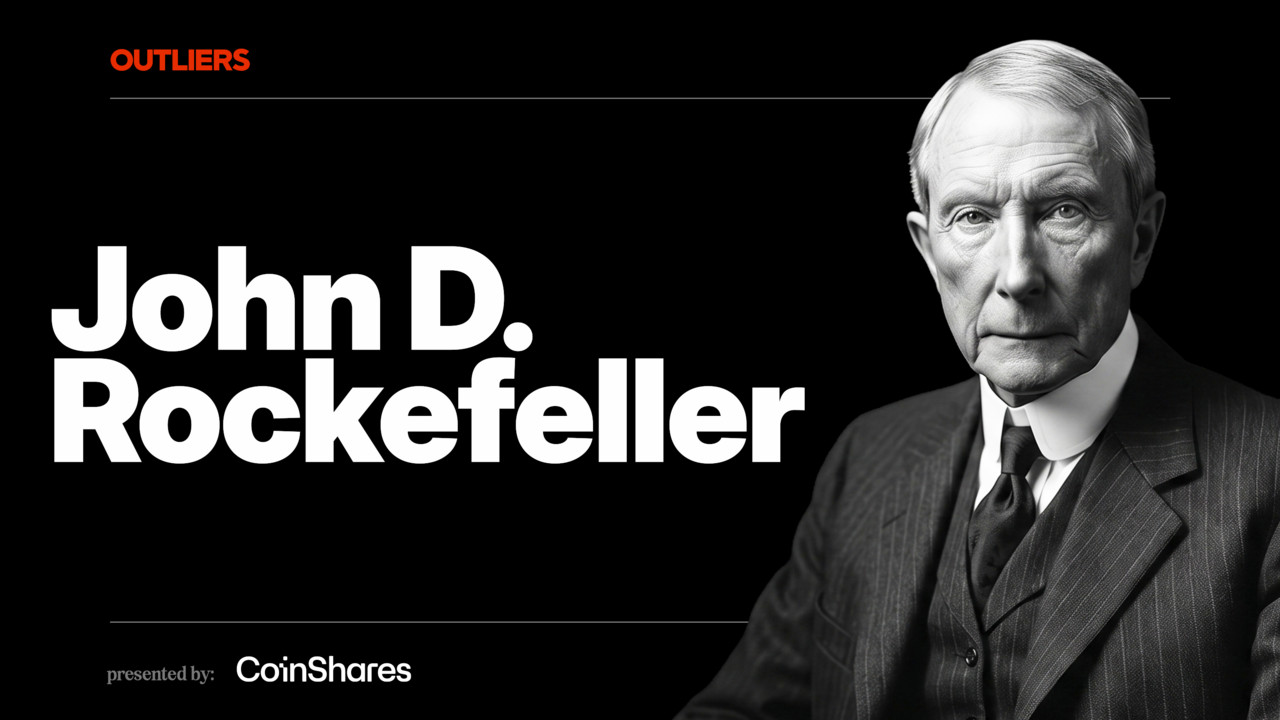
1) Quick summmary on his accomplishments:
- Founder in one of the world's key industries (oil refinement)
- Grew it to the largest company in world, while helping build out the surrounding infrastructure
- Created an organization that could function and flourish without him
- Philanthropically invested the results with an enormous and lasting impact
2) "The most important decision in poker is what table you sit at"
- Rockefeller started Standard Oil in Cleveland. Why did Cleveland prove to be such an advantage over competitors? Pittsburgh was closer to the Pennsylvania oil fields and New York was closer to the customers, but Cleveland had water. It sat on Lake Erie, with the Erie Canal feeding east and the Great Lakes opening west.
- Water freight was cheap—far cheaper than rail. Rockefeller could float his oil to market for around half of what a railroad charged. And critically, he could use either railroads or water. They built themselves into a position where they could not be pinned down by any one transportation provider.
3) Moved (very very) fast when there was a rare opportunity during a financial crisis
- In four weeks in 1972, standard oil bought out 22 of Cleveland’s 26 refineries. In one two-day span they bought six. Historians called it the 'Cleveland massacre'. Offered all stock in the new company or cash - most took the cash.
4) It was not easy
- “For years on end I never had a solid nights sleep”.
- Around 40, was losing weight and wrote to his mom he was eating a lot of celery because it was “supposed to help with nervous difficulty”.
5) Comprehensive and impactful philanthropy
- To really understand this part of Rockefeller’s legacy, read this incredible piece on Frederick Taylor Gates, the critical person behind much of his philanthropy and one of the world's great "unsung heroes"
- Built the first modern medical/health schools, which in turn have had titanic impact on public health
- Built the campaign that all but eradicated yellow fever from the Americas. Took on hookworm when roughly 2 of 5 Southern children carried it at the time. Money was levered to get state governments moving. Half a million people were treated. Then took the hookworm fight worldwide to 52 countries
- University of Chicago silent founder with $35 million donation; and made major contributions to multiple minority colleges. Helped bring 800 Southern high schools into existence
- Rockefeller foundation still making major and impactful contributions over a century later
The founder of Uber, Travis Kalanick, is back with a new company 'Atoms', which has been in stealth for years and just raised a $1.7 billion dollars to accelerate the company's growth. Why is he back, how does his new company relate to Uber, and what is his new company up to? My top takeaways below:

Atoms has been operating in stealth for years, mainly focusing on 'cloud kitchens' for food preparation, as well as more recently automated mining via an acquisition. Atoms is the evolution of Uber in a sense, with a mission of 'digitizing the physical world'
“The idea is an ‘atoms-based computer’:
- CPU manipulates bits. What manipulates atoms - that’s manufacturing
- Storage stores bits. What stores atoms - that’s real estate
- Network moves bits. What moves atoms - that’s transport logistics
Those are your three core computing resources in an atoms based computer. You can model just about anything with computation.”
“The idea of treating atoms like bits started at uber. It was science fiction at one point: you would touch glass (your phone) and a car would come to you, and you had satellite view and you’re watching this car come to you, it was crazy. Now it’s just like whatever, but it was crazy at the time, everyone’s first Uber experience was a magical moment.”
"The meaningful thing about Atoms Food: can you make the preparation and delivery of a meal so efficient that it approaches the cost of going to a grocery store? If it does, you do to the kitchen what uber did to the car. That’s a big deal, but what do you need to do to get there? 3 things:
- Warehouses like Amazon style Picking, packing, sorting, and then putting in a car (we already have many hundreds of facilities in 30 countries)
- Robotics automated food/meal production (we’re getting a manufacturing line for our robots up this year, and essentially everyone in robotics would agree eventually robots will make better food than most people, and now you’re taking over $5 out in labor)
- Robotic couriers that hold food at temperature and come to your house (once we get the robotic couriers you go from over $10 a drop for each meal to under a dollar)
And you save a few bucks on occupancy per meal. And all of a sudden you are getting a high quality meal delivered to you all in for under $10 bucks. Based on robotic process and seeing Waymo’s already navigating autonomously, we will easily be here in 20 years. Can we do it faster? What about in 10, or in 7, or in 5? That’s when you’re bending reality, you’re bending it towards now. Everybody would agree that it’s going to happen, and now it’s about when and who. And then you say LFG."
Travis on the expanding into autonomous mining:
"More productive mines to power Earth’s industries. We’re operating in a bunch of mines around the world. When you automate certain parts of mining you not only get more gold or silver or whatever you’re mining, you dramatically improve safety in a real way. And new mines are going to emerge that were not viable before.
Once you get the foothold and it’s working, you can keep expanding. Adjacent categories are way easier than whole new off the rails categories. First it’s uber rides then it’s uber eats then it’s uber autonomy then it’s uber freight then it’s uber AI labs. When it comes to expansion, you can start letting your imagination, with constraints, start to do really interesting things."
- XBOX CEO on Lenny’s Product Podcast: “Every change in technology has created a changing set of roles. Now we’re seeing this advent of the polymath - full stack builders are having their renaissance”
- Exa (search for AI agents) CEO on a16z Podcast: “The AI agent economy is going to be huge. We’re all going to have agents. And take search - humans query a couple times a day, agents are going to query orders of magnitude more”
- Paul Graham on Y Combinator Podcast: “The best question you can ask about anybody who does or goes to any new thing: “how is it different than you expected?”
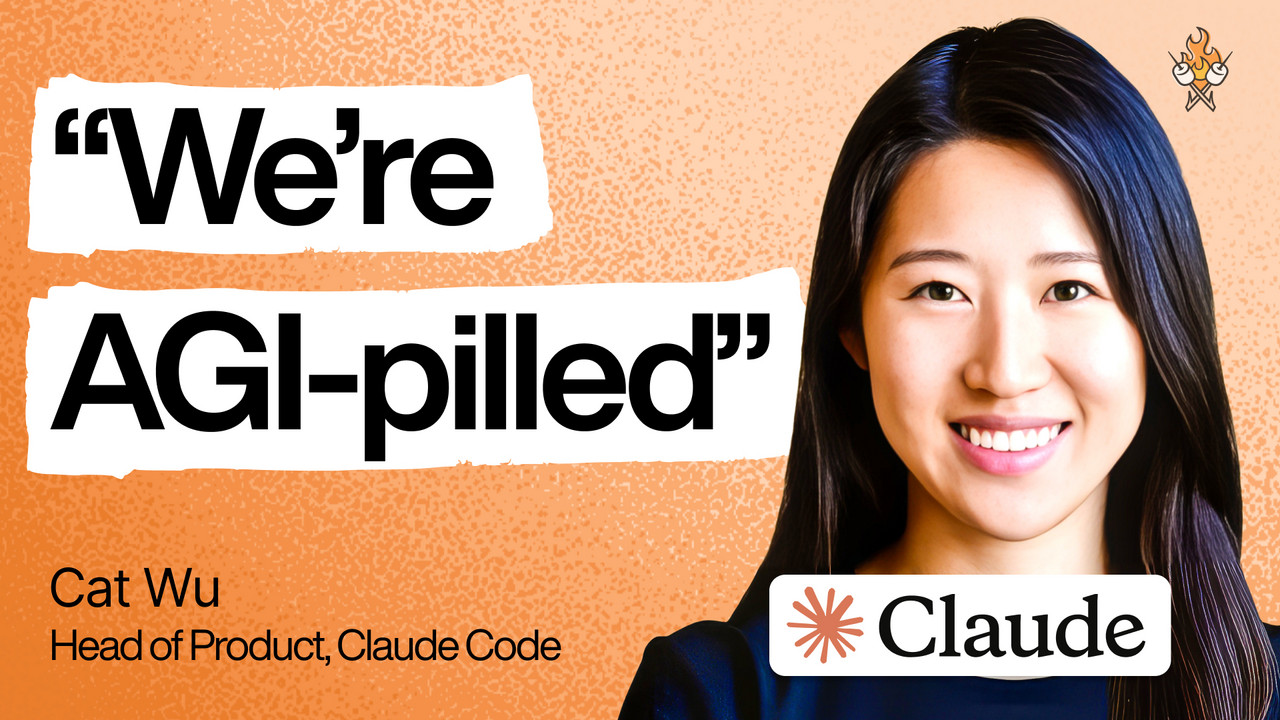
- “The big change over the last year was going from chat-based where AI tells you what ti do to agent based where AI just does it for you”
- “At a lot of companies roles are very strictly defined. But jobs are kinda fake delineations at times and you can just do things”
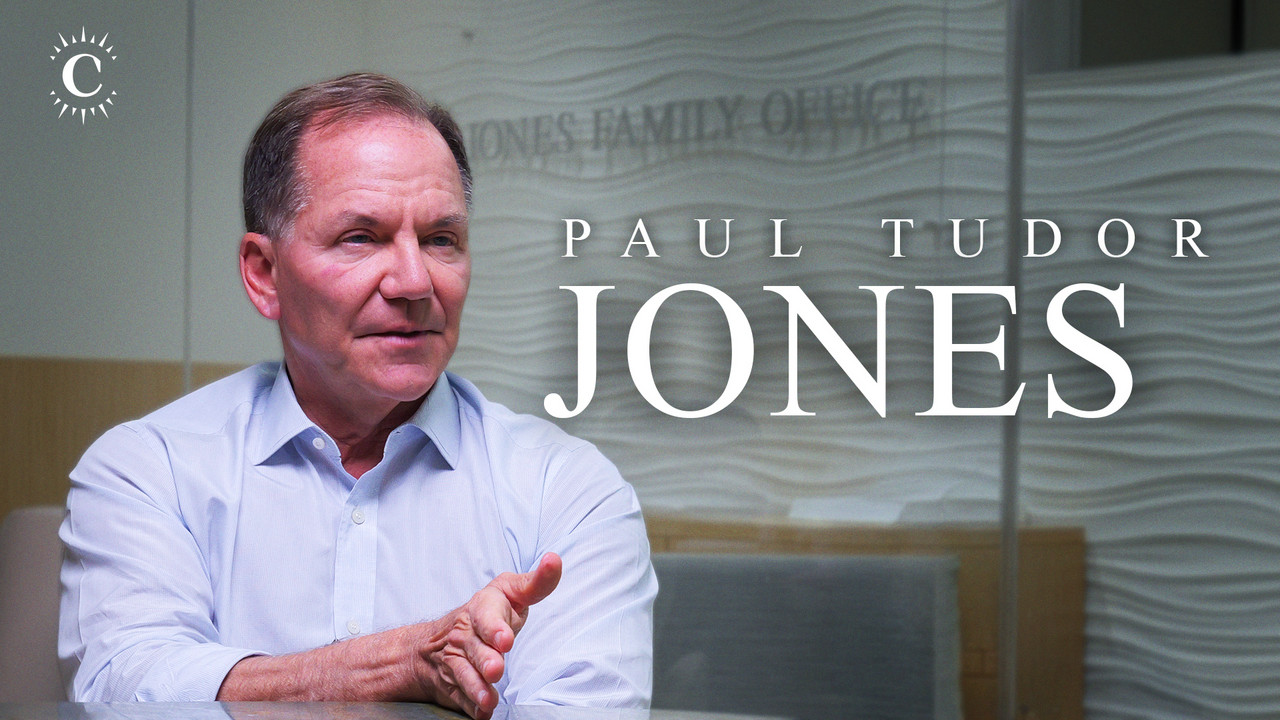
- “Trading is like boxing. You have an opponent - the market. You’re feeling each other out, gathering information, trying to do well enough, and every now and then you’ll see an opening for a knockout, an opportunity for a major investment win.”
- Go to the 1:07 mark to hear a fantastic clip on weather and finding “Peak Spring” & “Peak Fall”. It will make you want to spend time outdoors today.
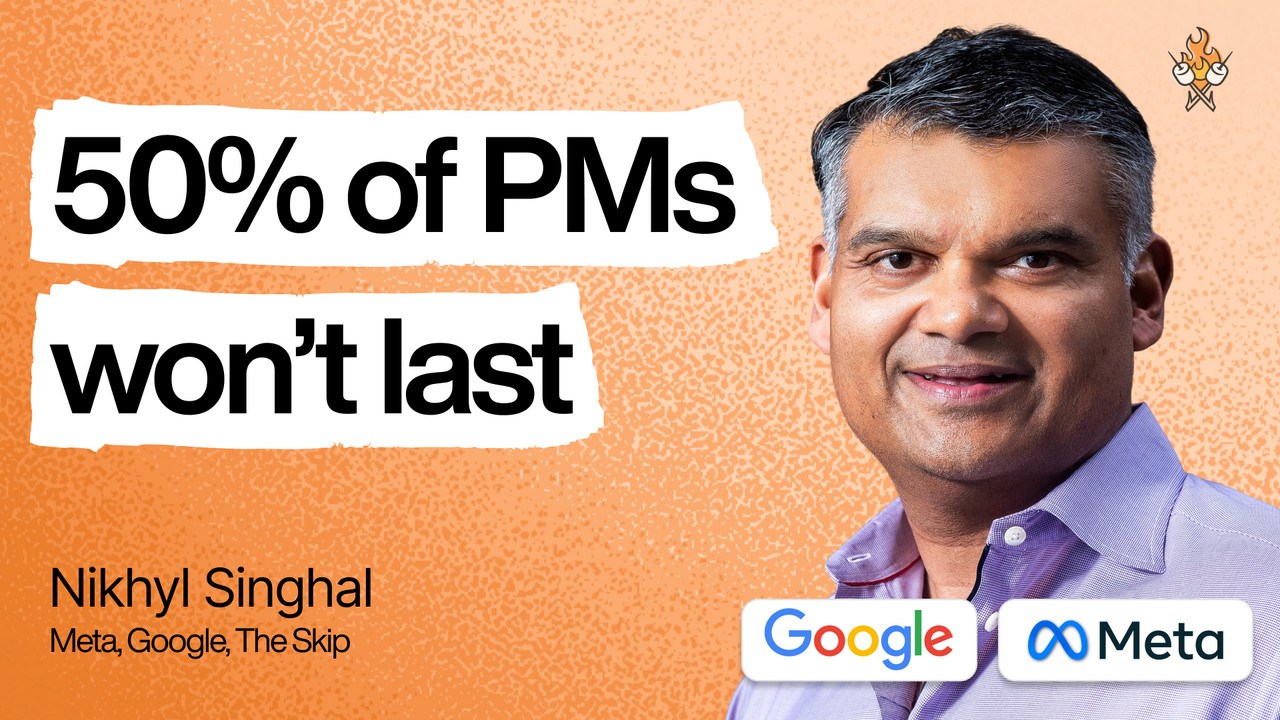
- Definition of an engineer: “an engineer is someone who obsoletes themselves from everything they do”
- “Your goal when you’re in your 30s and 40s is to equally disappoint everyone in your life:
- Spouse
- Kids
- Parents
- Health
- Work
- Friends
- Retirement account”
Marc Andreesen did a round of podcasts recently (Lenny's podcast, 20 minute VC, conversation with Founders podcast) - here were the top few highlights for me from the co-founder of Netscape and a16z:
- "We’re living in a world where we don’t understand how good good can get cause we’ve been capped by our own biology. AI will be way better than the best human coder, doctor, lawyer, in many ways. It’s already at 130-140 IQ, humans max out around 160, and continuing to improve. The idea of human equivalency will be a quick footnote - what does the world look like when AI then becomes much better than that?"
- The craziest story: Marc was basically single handle tech support for the entire internet for 3 years in the mid 90s. Cause everyone used Netscape to use the Internet, so whenever anyone had trouble using the Internet in the early days they would send a help request and he was the one person who would answer.
- “1:1 Tutoring is the most proven way to improve education results, and now with AI everyone can have it”
- “In industry after industry there’s all these embedded assumptions that just don’t make sense anymore…these broken assumptions are where startups come from”
5 things I took away from the Founders podcast covering Roger Federer

A core component of what made Federer so great for so long: the importance he placed on rest, work-life balance, and adjustments to enhance his sustainability when it came to tennis:
- “Even when I was at my best, it was important to me to have a rewarding life full of travel, culture, friendships, and family. These are the reasons that I never burned out.“
- Federer's fitness coach: tough consistent work was necessary, but so was rest and escape. Dedication and moderation. Fresh legs were vital, feeling fresh in the head was vital. Rest and recovery weren’t a break from training, they’re a central part of the mechanics that makes training work
- He likes to mix it up, keep himself from not getting bored. “I hadn’t been around somebody that had as much flexibility in their approach that Federer does. At Wimbledon, he’d stay in different houses. He doesn’t always need to practice in the same place, or javelin one favorite meal. Federer changed coaches even as a winner multiple times. This was a pattern throughout his career. Federer said he felt they had fallen into a routine. This was a key element in Federer’s career longevity. Too much routine can kill the joy. Too much focus can grind you down. (Of the 128 men who played singles at the 1999 French open, he was the last one still playing on tour). RF: “I never fell out of love with the sport. Never”

Federer won 80% of the matches he played, but only 54% of the points - even the best players lose almost as much as they win

- A former coach: "the gap between the best tennis player in the world and number 4 is massive. The 200th best player in the world is closer to number 4, than number 4 is to number 3."
- Federer, like Djokovic, believed that stagnation is regression. Maintaining the same level was actually losing ground
- Built a team around him that held him to high standards. “You’re gonna doubt yourself enough. You can’t have other people around you doubting you. You have to run away from your naysayers.” Federer literally switches his dentist because he didn’t want to hear any negativity
- Became great student of prior players. This is somebody who made it to Wimbledon semis in 1968. And this is somebody who won doubles in 1954
Life advice from Kevin Kelly:
- "Enthusiasm is worth 25 IQ points."
- "To make something good just do it. To make something great just redo it, redo it, redo it. The secret to making fine things is in remaking them."

Music producer Rick Rubin:
- “Do you know the biggest mistake most musicians make? Their first album comes from love, heartbreak, passion, or depression. They have no expectation of how the world will respond. They write it from the heart, and if it catches on, they’re validated by the world. But then they start writing their second album, and they don’t necessarily write it based on love, heartbreak, or passion. They write the album they think the world will want…When making art, the audience comes last.”
- "Rules direct us to average behaviors. If aiming to make something exceptional, most rules don’t apply. If anything the goal is to amplify your differences. Communicate your singular perspective."
